
THE BUSINESS CASE FOR ROADLESS
JOIN THE ROADLESS 50

Healthy lands. Strong businesses. Resilient communities.
New Hampshire’s public lands are more than scenery. They are economic infrastructure, supporting businesses, workers, residents, visitors, and rural communities throughout the state.
Granite Outdoor Alliance is putting the New Hampshire business perspective into the federal Roadless Rule proceeding.
Roadless 50 is GOA’s effort to put 50 individual New Hampshire business perspectives into the federal record before October 6.

50 New Hampshire businesses. 50 individual voices. One public record. Join us!
3 of 50 HAVE SPOKEN UP!
Comments must be received by October 6, 2026. Docket FS-2025-0001 / RIN 0596-AD66.

“Burgeon relies on the broader outdoor community to sustain and grow its business. The community of hikers, skiers, and naturalists values the unspoiled nature of the White Mountains and seeks them out for recreation, beauty, and enjoyment. Their presence creates jobs and strengthens our local communities. The White Mountains are the crown jewel of New Hampshire and a vital economic resource.”

Why a Business Case for Roadless?
Approximately 235,000 acres of the White Mountain National Forest are currently subject to the Roadless Rule, a national framework that has governed inventoried roadless areas for roughly 25 years. USDA is now proposing to rescind that framework.
Granite Outdoor Alliance is participating in the federal comment process to make sure one perspective is clearly represented: the businesses, workers, residents, and rural communities whose economic future is connected to healthy and accessible public lands.

The Business Case for Roadless

Protect the Resource
Clean air. Clean water. Healthy forests. Accessible landscapes.

Protect the Economy
Customers. Jobs. Investment. Outdoor businesses and the businesses surrounding them.
Protect Communities.
Residents. Workers. Families. Health. Quality of life.

Preserve the Balance.
Conservation and appropriate multiple-use management can coexist.

What is Happening?
The Roadless Area Conservation Rule was adopted in 2001 and generally restricts new road construction, road reconstruction, and timber harvesting within designated inventoried roadless areas, subject to exceptions. USDA is proposing to eliminate that nationwide framework and rely more heavily on individual National Forest land-management plans and local Forest Service decision-making.
Rescission does not mean 235,000 acres of the White Mountain National Forest would suddenly be logged or developed. Future projects would still need to comply with applicable forest plans, NEPA, and other federal laws.
What would change is the baseline: the 25-year national Roadless Rule protections would no longer apply.
That distinction matters.
What is REALLY Happening ?
What is really at stake is who gets counted in the economic equation. The federal proposal emphasizes greater management flexibility, reduced regulatory constraints, and opportunities for activities such as timber harvest and road access. But New Hampshire already has substantial private economic interests tied to these lands: locally owned retailers, restaurants, lodging properties, guides, recreation providers, manufacturers, employers, and others whose customers and workers are drawn here by the White Mountains.
Removing a 25-year national protection does not eliminate regulation or automatically authorize development, but it does shift more decisions to future forest-level planning and project processes. GOA believes those decisions must account for the businesses and communities whose livelihoods already depend on the landscape—not just the economic interests seeking additional access to it.
This is not business versus conservation. It is a question of whether the economic interests that depend on keeping these lands intact receive the same weight as the interests seeking greater access to develop or extract from them.
See a Map of Roadless Rule Areas
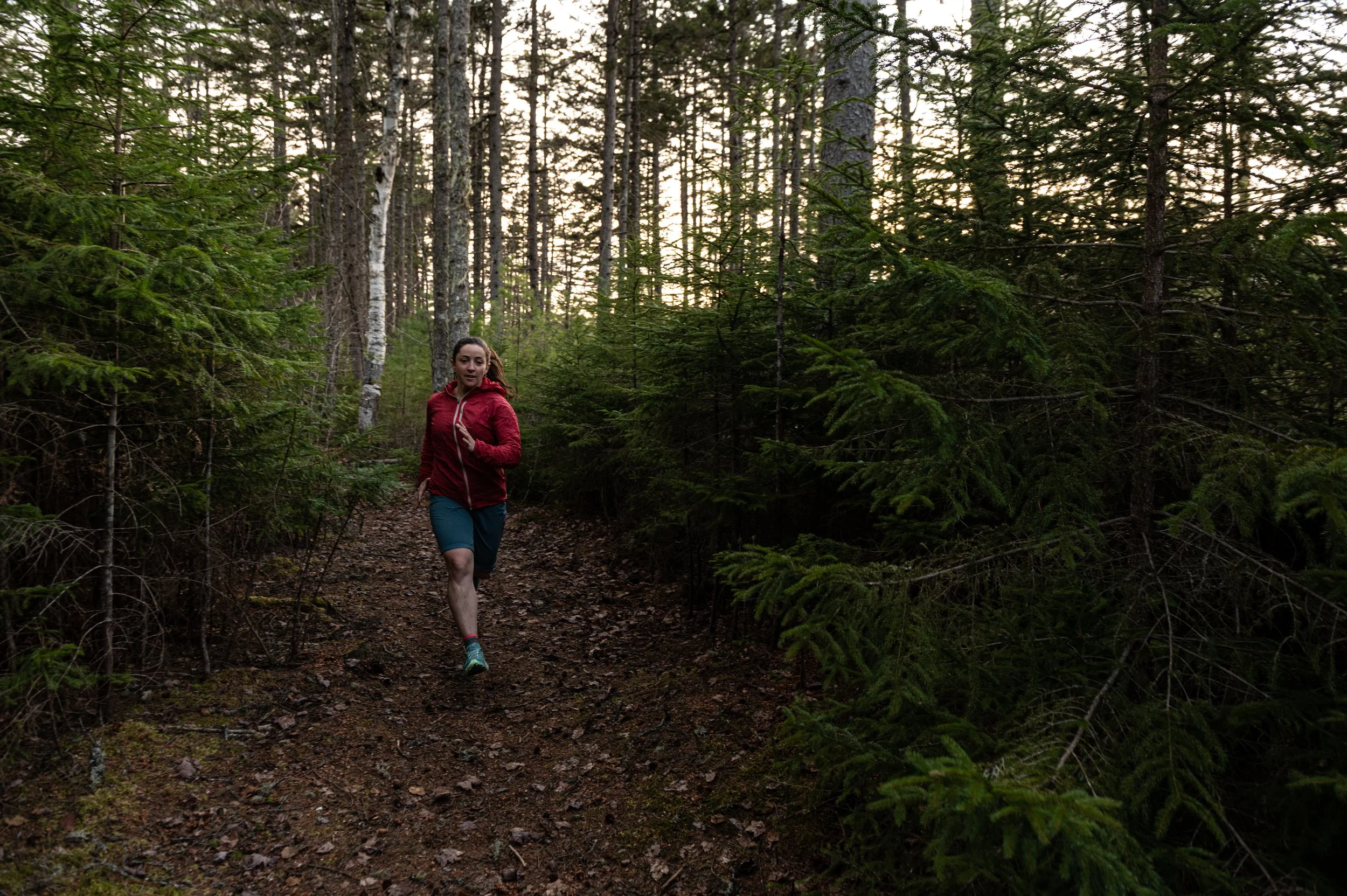
““For our specialty outdoor business, access to the White Mountains is a major driver of customer traffic. People come here to hike, trail run, bike, and ski, and they need the proper gear, apparel, and other services that local businesses provide. The quality and accessibility of the Whites are part of what makes this region a destination, and when recreation opportunities are diminished, that can mean fewer visitors, fewer purchases, and less activity flowing through local businesses like ours. As a local retailer, protecting the resource that brings customers here is ultimately about protecting the economic foundation our business depends on.””
Why should New Hampshire businesses care?
Because healthy lands are economic infrastructure.
New Hampshire’s outdoor recreation economy generated approximately $4.2 billion in value added in 2024 and supported more than 33,000 jobs. Snow recreation is particularly important here, and recreation-related activity flows through lodging, restaurants, retail, manufacturing, guiding, services, and numerous businesses that may never describe themselves as “outdoor businesses.”
The White Mountain National Forest itself receives roughly six million visits annually.
But visitors are only part of the equation.
The same access to mountains, forests, trails, rivers, and outdoor recreation also influences why people choose to live here, work here, start businesses here, raise families here, and stay here.
Visitors bring spending. Residents build communities. Businesses need both.
The economic connection is straightforward
People recreate because there are compelling places to do it.
When people hike, ski, bike, climb, paddle, hunt, fish, camp, and explore, economic activity follows. They buy equipment. They stay overnight. They eat and drink locally. They hire guides. They purchase fuel and groceries. They take lessons. They bring families. They return.
Healthy landscapes also contribute to quality of life, workforce attraction, and the reasons businesses and employees choose New Hampshire in the first place.
Land does not have to be developed to be productive.

“The surrounding White Mountain landscape is the foundation of our entire operation. Guests come here because of the scenery, elevation, and unique recreational opportunities the mountains offer. That demand supports dozens of seasonal jobs and generates spending throughout the region. Protecting this landscape directly protects the businesses that depend on it.”

The overlooked issue: who carries the downside?
USDA asks commenters to address not only direct economic effects but also distributional effects associated with rescission.
That distinction matters for New Hampshire.
A restaurant does not need to be regulated by the Roadless Rule to lose customers.
A hotel does not need a Forest Service permit to lose room nights.
A retailer does not need to operate on federal land to experience reduced traffic.
And an employer does not need to call itself an outdoor business to rely on the quality of life that helps recruit and retain workers.
Visitors have choices, and recreation spending can move. Residents, workers, and entrepreneurs are mobile too.
GOA’s concern is economic displacement: where the economic downside of a land-management decision can fall on local businesses and communities that receive none of the direct economic benefit associated with the activity creating it.
“Great Glen Trails Outdoor Center lives and breathes the White Mountains. Our campus is partially privately owned and partially leased from the U.S. Forest Service, and for more than 30 years we have hosted events and recreation experiences that draw people to the region to experience its rugged and peaceful mountains and rivers. While contributing to local commerce is not our primary mission, it is a natural by-product of what this business has become.”
Is GOA opposed to forestry or active forest management?
No.
National Forests are multiple-use lands. Forestry, restoration, wildlife management, recreation, watershed protection, public safety, and other uses all have legitimate roles.
GOA’s formal comment asks a narrower question:
Does accomplishing those goals require wholesale elimination of a national framework that has existed for approximately 25 years?
USDA itself describes the near-term management opportunities created by rescission as expected to be “modest and localized.” The agency also notes that new road construction remains constrained by cost, terrain, budgets, conservation objectives, and maintenance obligations.
GOA’s position is that specific management problems should be addressed directly, while carefully considering the businesses and communities that have developed in reliance on the existing landscape and management framework.

Add your business experience to the record
USDA says comments should focus on issues relevant to the proposal, explain the reasons for recommended changes, and provide specific information where possible. All timely comments become part of the public record.
Rather than submitting a generic form letter, GOA is encouraging New Hampshire businesses to explain their own experience. We can help you customize your comments in and get you back to doing
Business Comment Guide:
Tell them who you are.
What does your company do, where are you located, and how many people do you employ?
Explain the connection.
How do the White Mountains, National Forest access, recreation, or quality of place affect your customers, employees, business location, investment, or community?
Describe the business risk or reliance.
What would diminished access, landscape quality, or increased management uncertainty mean in practical terms?
State the outcome you support.
Explain in your own words what you believe USDA should do and why.
Deadline: October 6, 2026

JOIN THE COMMENT PARTY,
SUBMIT TODAY