
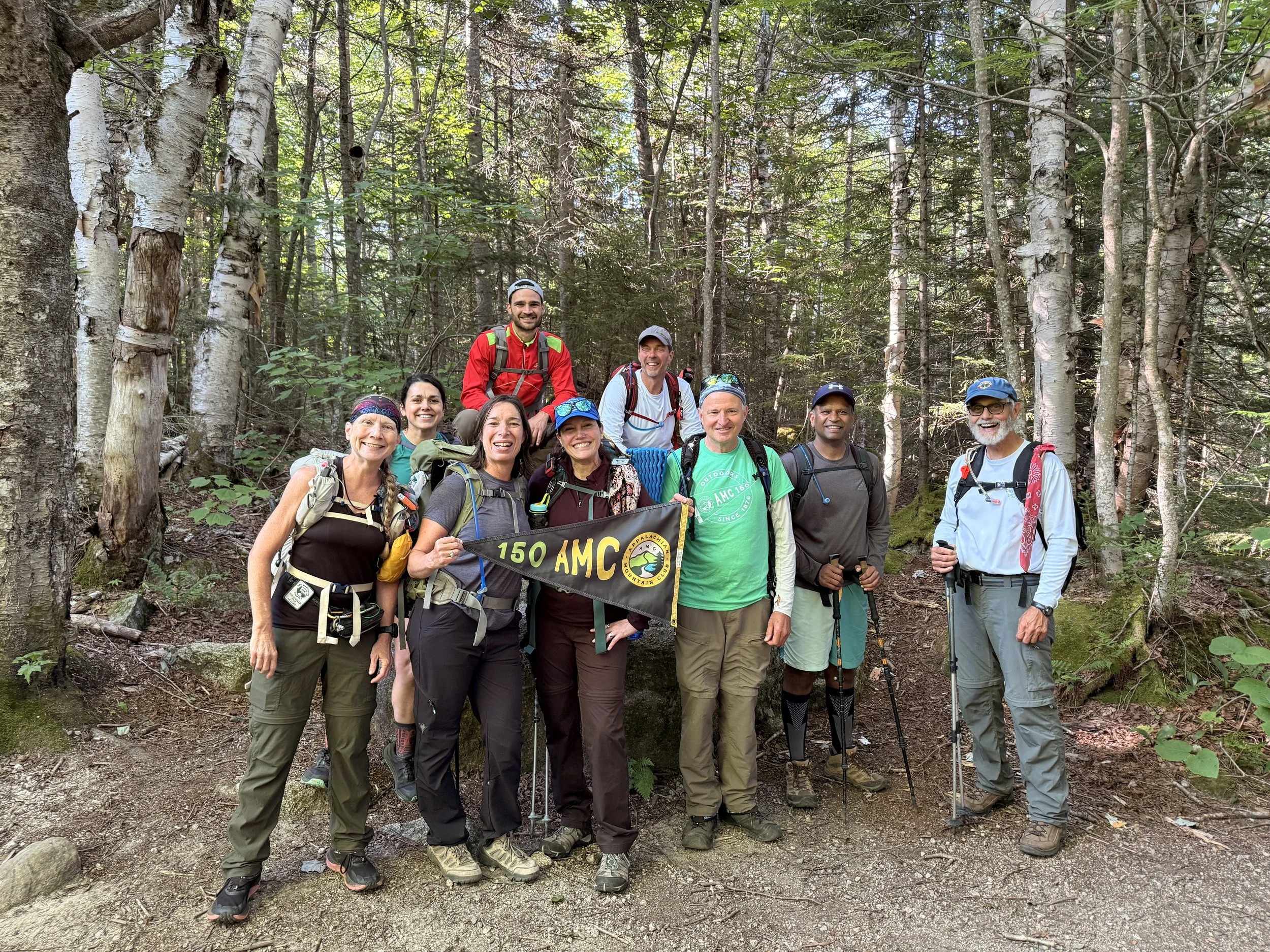
AMC: 150 Years as an Icon and Innovator
AMC: 150 Years as an Icon and Innovator
By Andrew Schuyler
For an iconic organization that is older than many of the forests it protects, the Appalachian Mountain Club is aggressively leaning into sustainability initiatives that are creating value for those who work and play in the White Mountains.
AMC’s 150th anniversary this year illustrates a framework for organizational strength and impact: leverage history and tradition, while simultaneously pivoting toward innovation, accessibility, and collaboration.
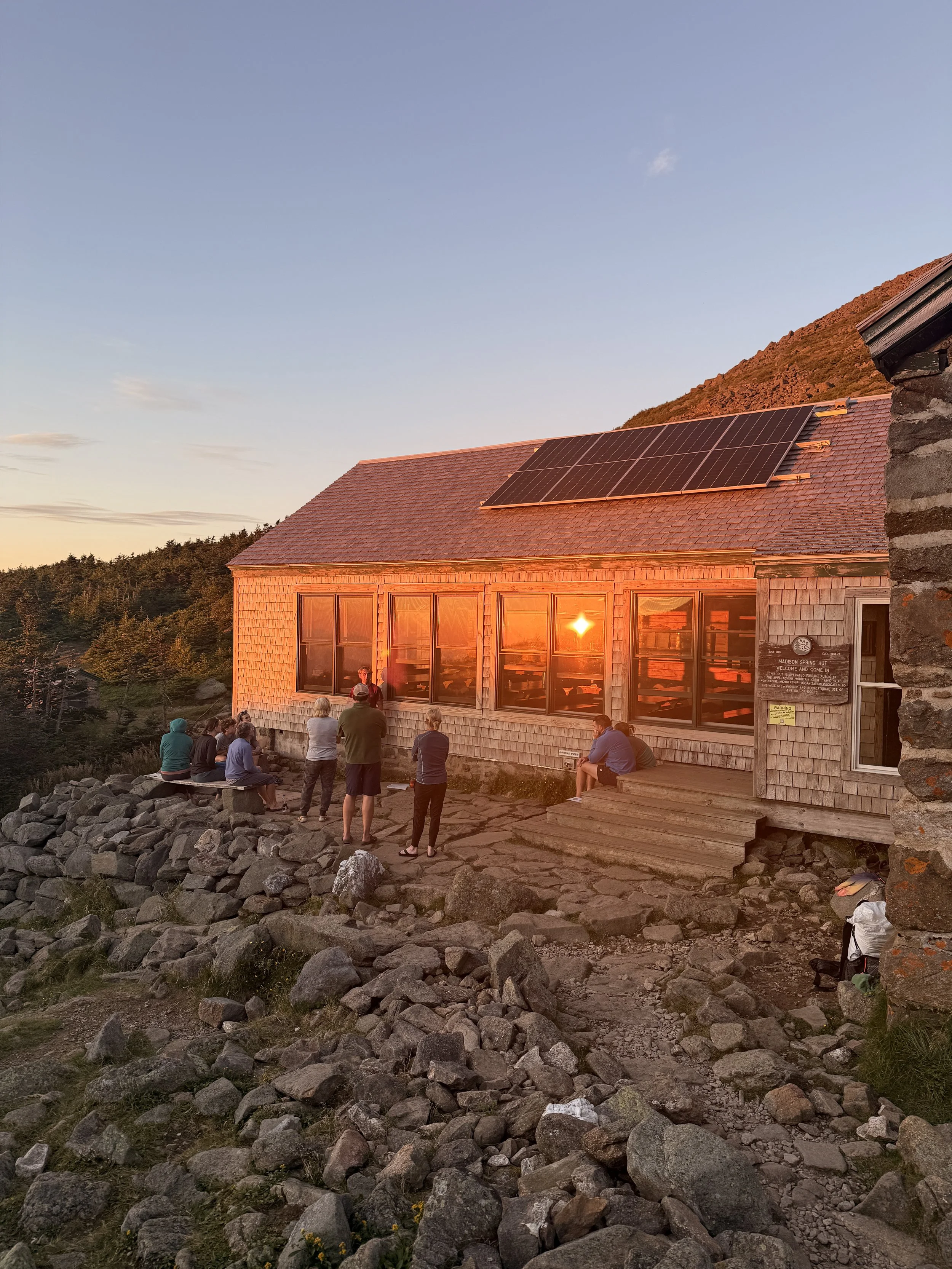
“AMC has evolved over time, and that’s certainly true with our sustainable operations. We started composting in the 1980s, then we brought in solar, and now we’re doing much more,” says Chris Thayer, AMC’s Senior Director of External Affairs. “This sustainability work is important for so many reasons, like resilience, affordability, and transparency.”
As the nation’s oldest conservation and recreation organization, AMC is taking time to recognize its relevance. And yet, it’s not resting on its laurels. The nonprofit, which was established in 1876, has a mission of fostering “the protection, enjoyment, and understanding of the outdoors.”
While a core AMC tenet has been collaborating with land conservation outfits, the organization has diversified that approach to include working with local companies to create multiple win outcomes.
Thayer says partnerships with similarly aligned organizations expand reach, reduce costs, and grow the outdoor economy. GOA members Burgeon Outdoor, ReVision Energy, and Minus33 work in various capacities with AMC to advance their collective missions, all the while increasing exposure and employee engagement.
A few years ago, AMC published a strategic plan that calls for eliminating its greenhouse gas emissions by 2050. Recognizing the urgency of the problem, the organization uses 2010 as its baseline and aims for a 45 percent GHG reduction by 2030. This commitment to accountability and transparency can serve as a template for any organization looking to enhance its sustainability portfolio.
To achieve its goals, AMC deploys a range of tools, from energy efficiency and electrification, to renewable energy production and carbon offsets. And, in response to a changing climate, rising energy costs, and a constituency that expects leadership by example, it hired its first director of sustainability, Jennifer Natyzak.
“We are feeling, seeing, and measuring the effects of climate change and are responding in kind,” says Natyzak, noting that renewables provide reliable energy to several off-grid locations.
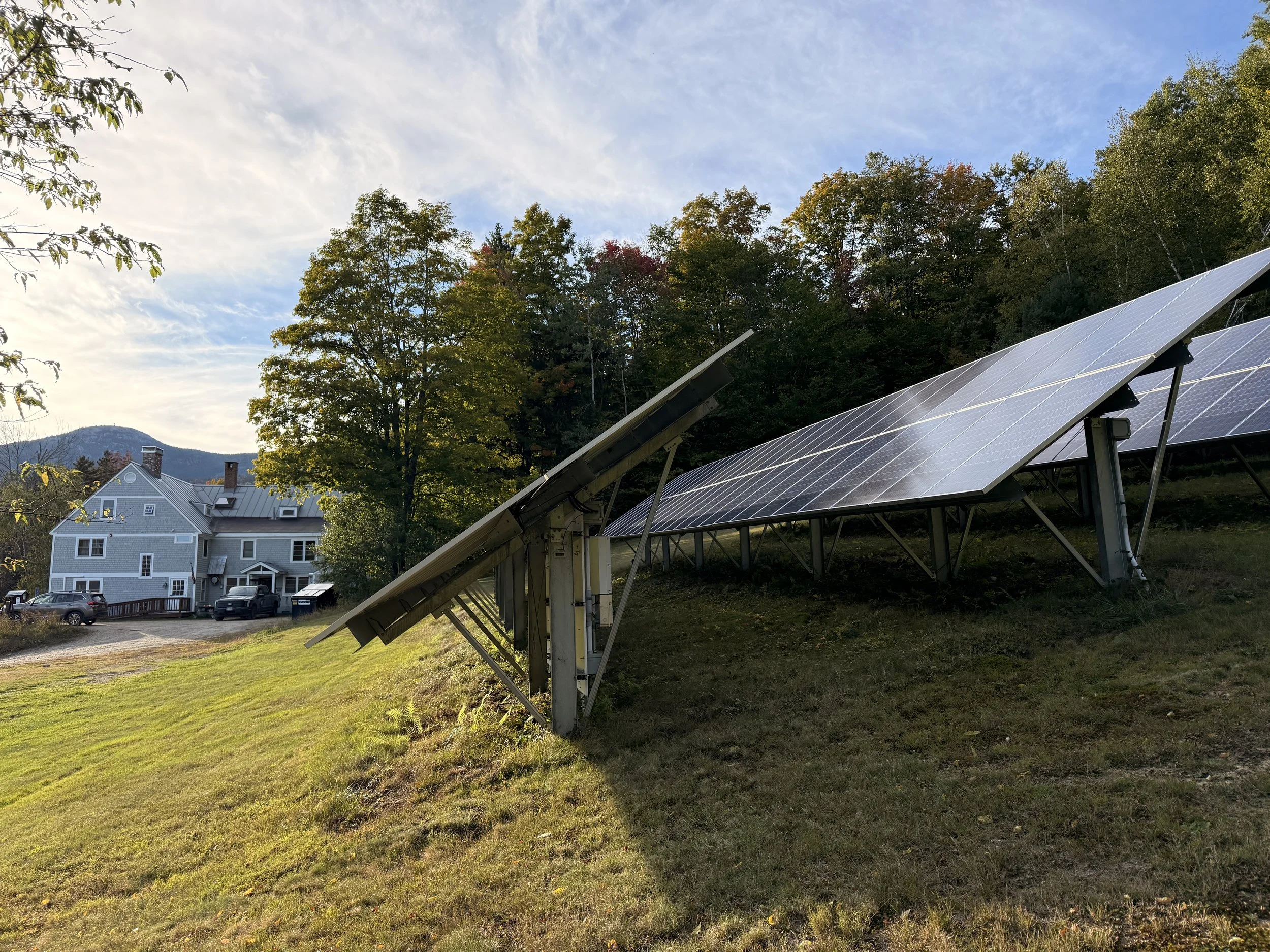
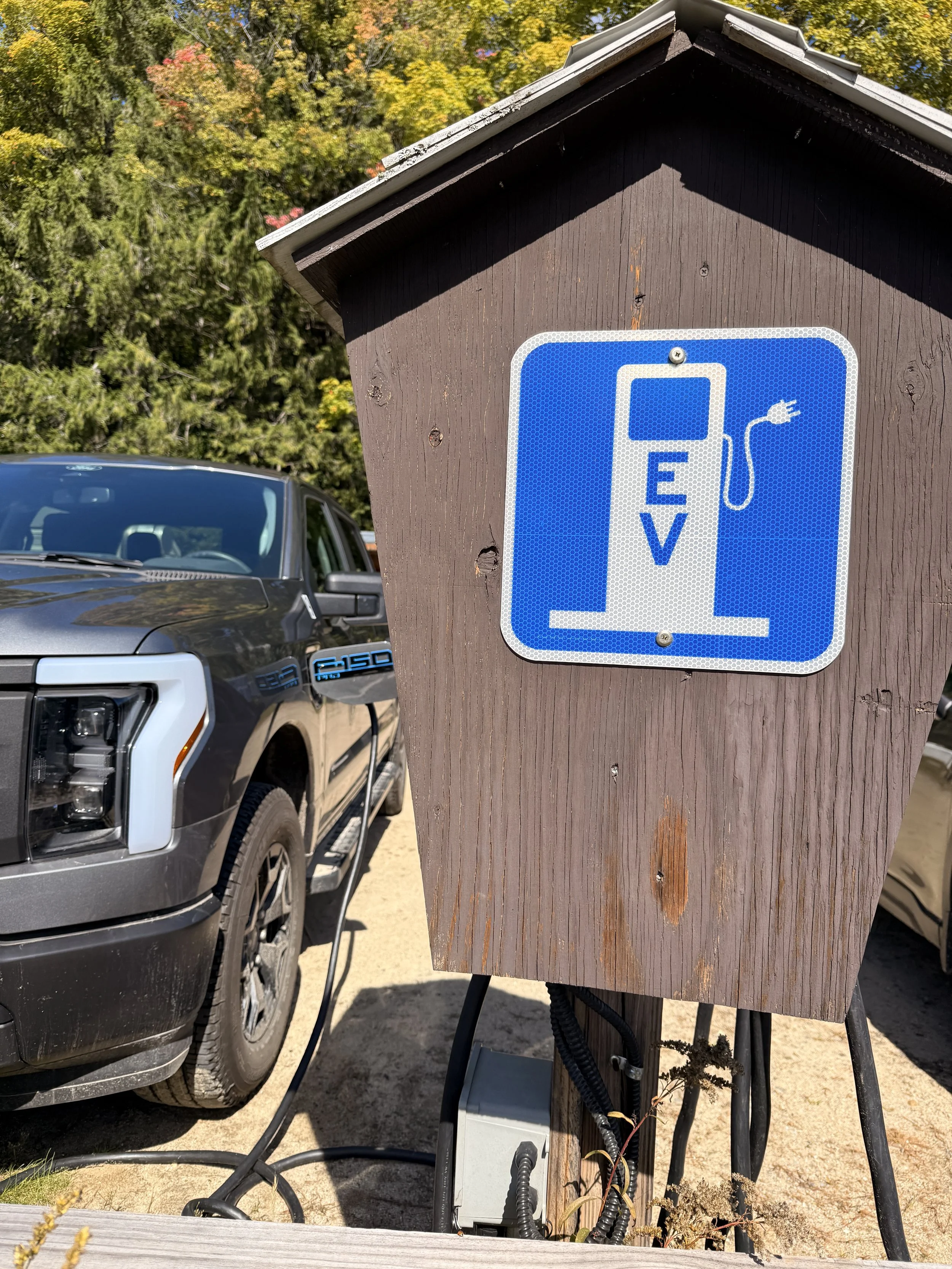
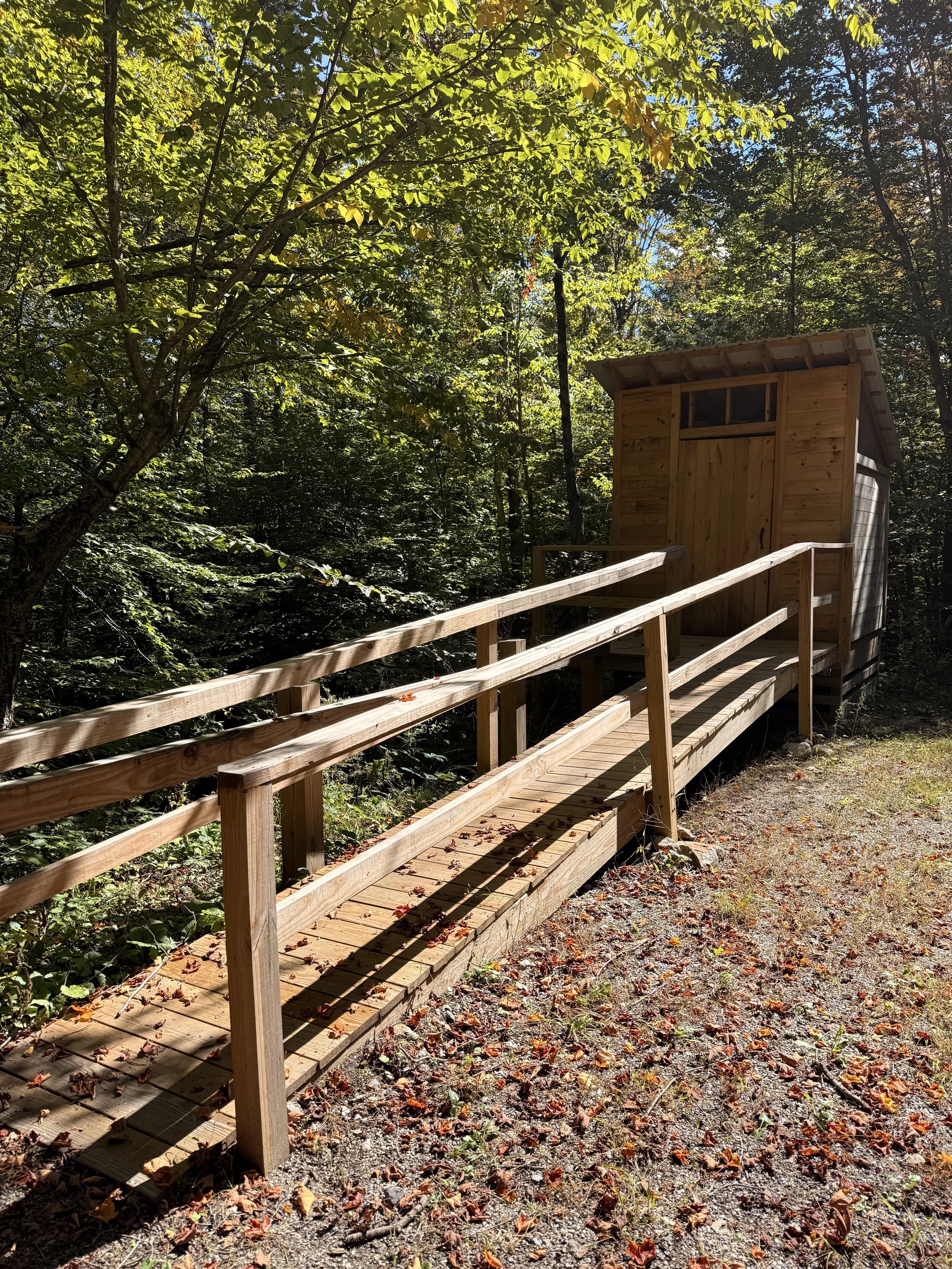
In addition to installing multiple solar arrays at its Highland Center and Pinkham Notch facilities, AMC is making long-term policy and infrastructure investments through renewable electricity contracts, EV charging stations, and composting toilets.
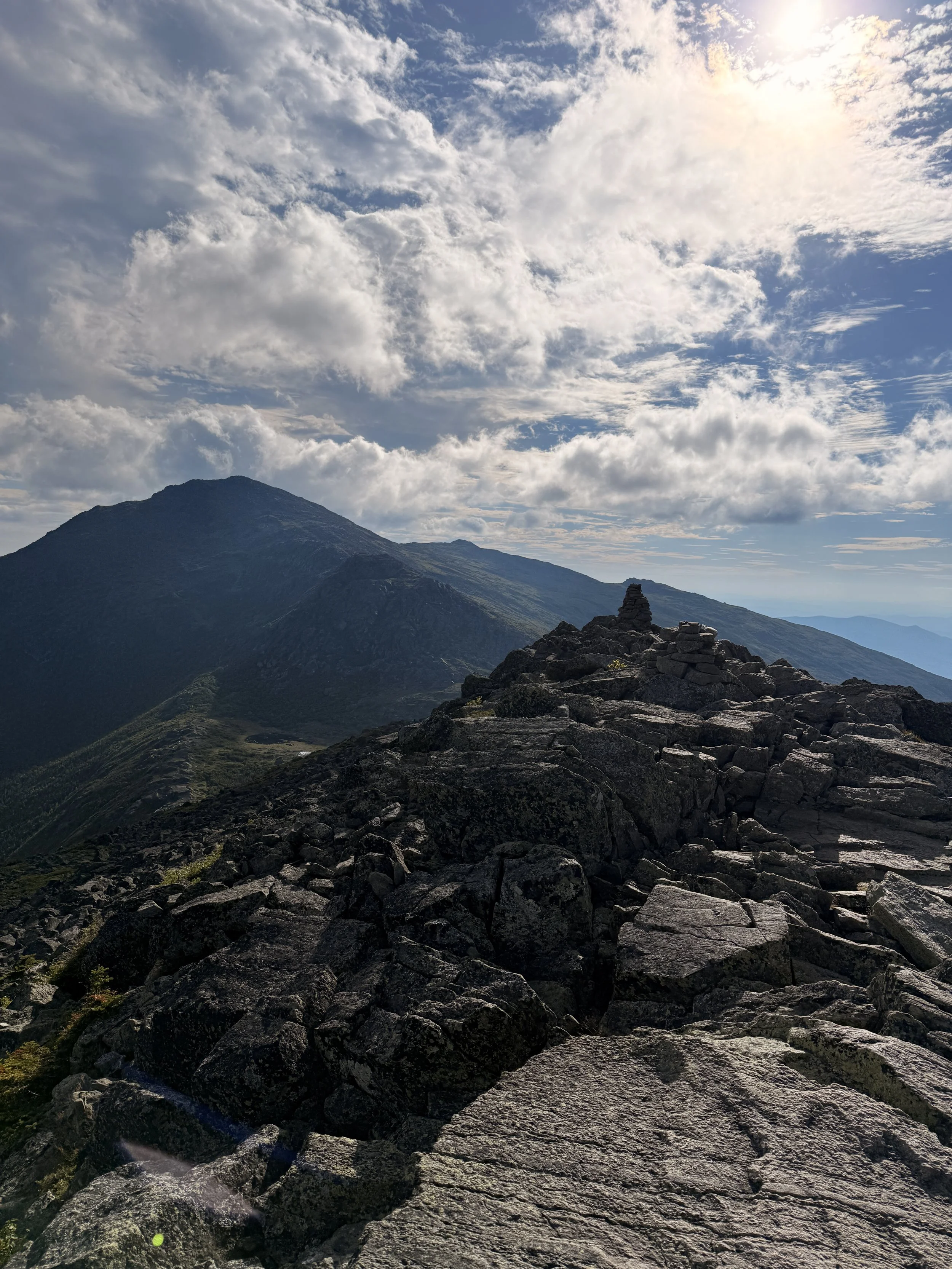
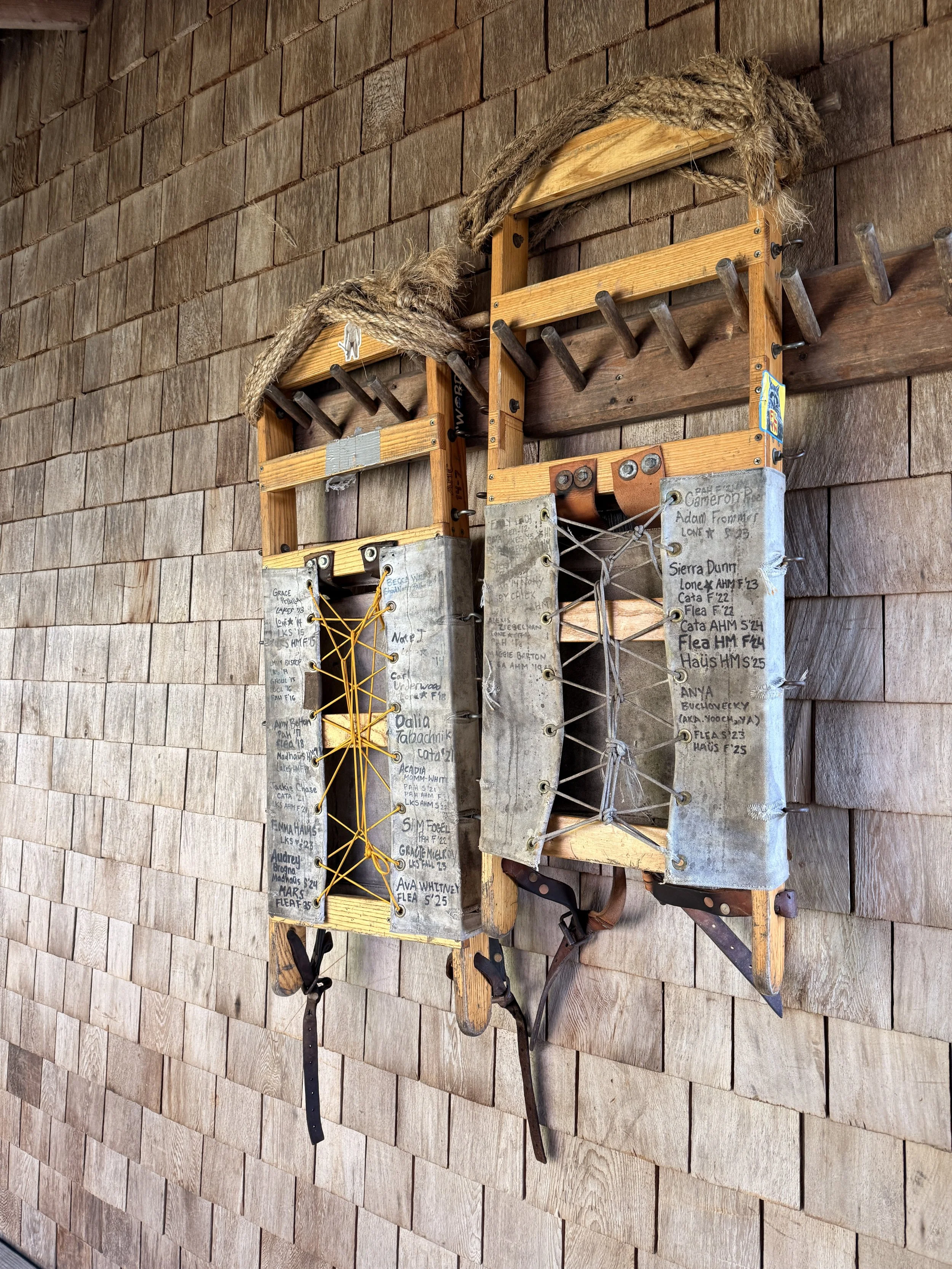
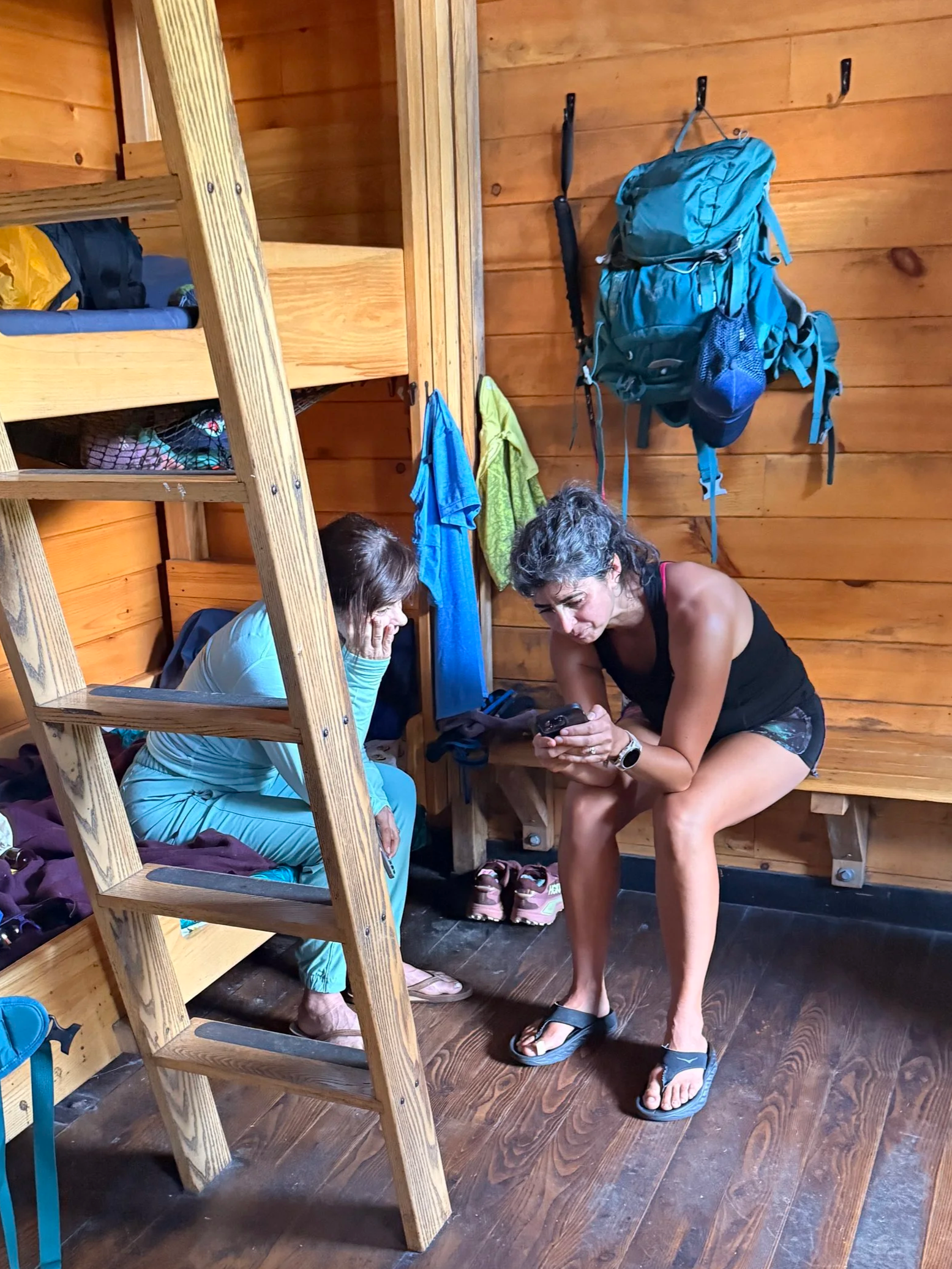
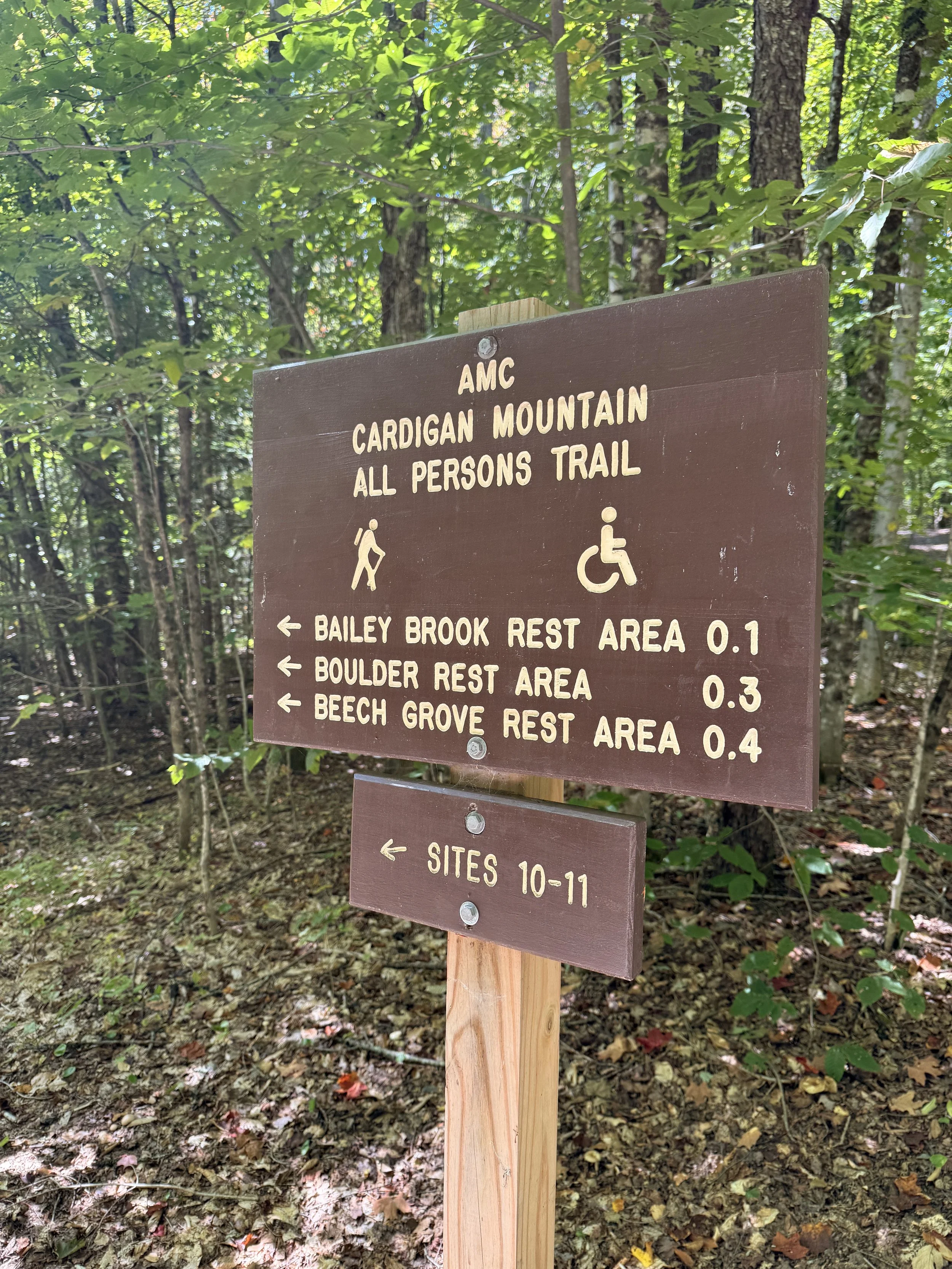
Another area AMC has evolved is its commitment to providing outdoor access for people with physical, financial, or geographic limitations. This takes a variety of forms through its Outdoor Journey Fund. For instance, the organization has developed modified trails for those with physical challenges and offers free equipment rentals through gear libraries.
AMC’s comprehensive approach to sustainability comports with both its history and vision for the next 150 years. “The notion of sustainability is time tested and matters more now than ever,” Thayer concludes. “There’s a business case for it and it isn’t going away.”

ABOUT THE AUTHOR
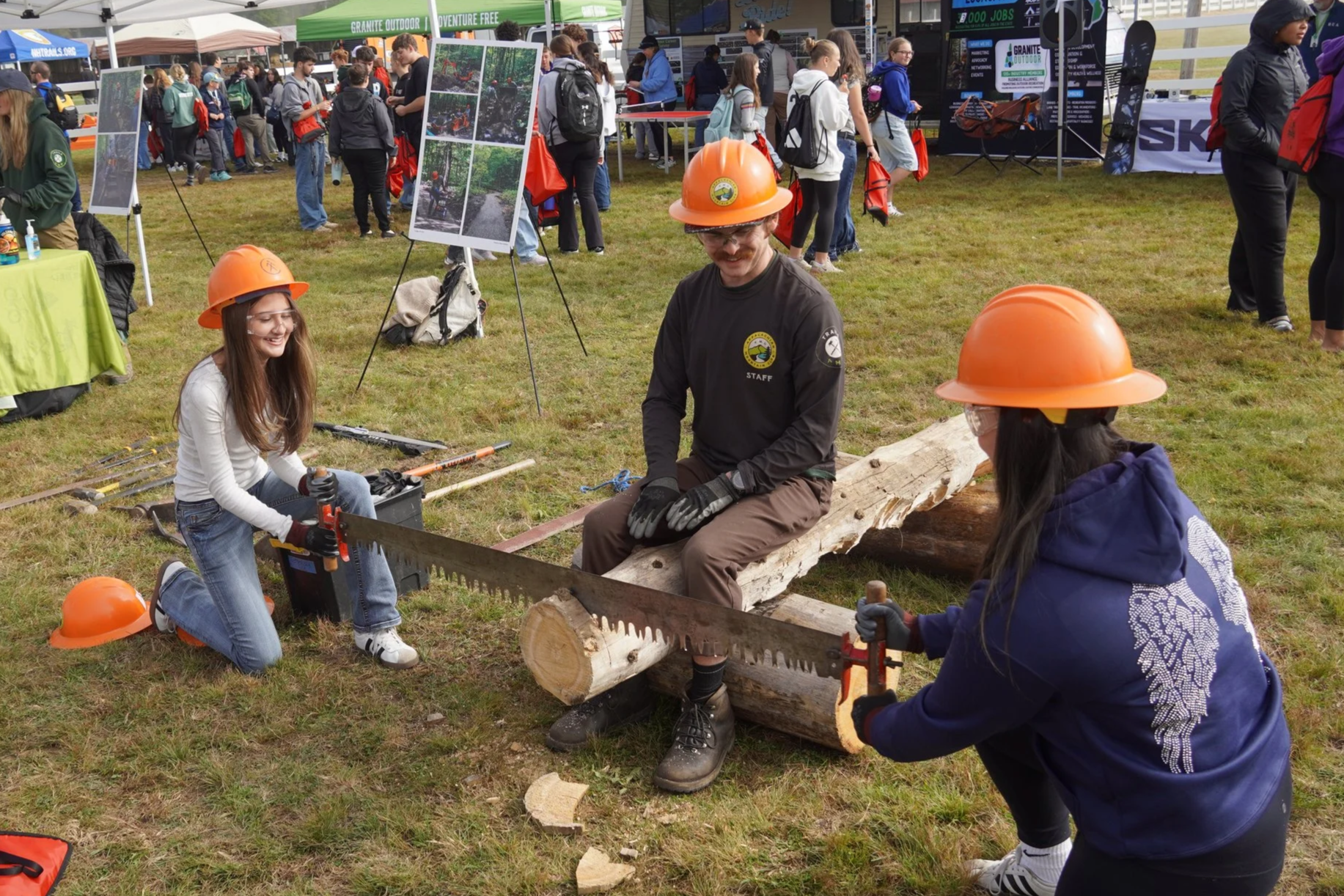
Andrew Schuyler is the sustainability strategist at the Granite Outdoor Alliance and serves on the board of the White Mountains Interpretive Association. He’s held positions as chief of staff in the MA Senate, renewable energy advisor, freelance writer, and semi-boastful dad. Despite an ongoing tussle with his knees and shoulders, Andrew enjoys biking, hiking, skiing, and ultimate frisbee. Reach him at andrew@graniteoutdoor.org.