

TERRACEA: An Interview with CEO Eric Hui
By Andrew Schuyler
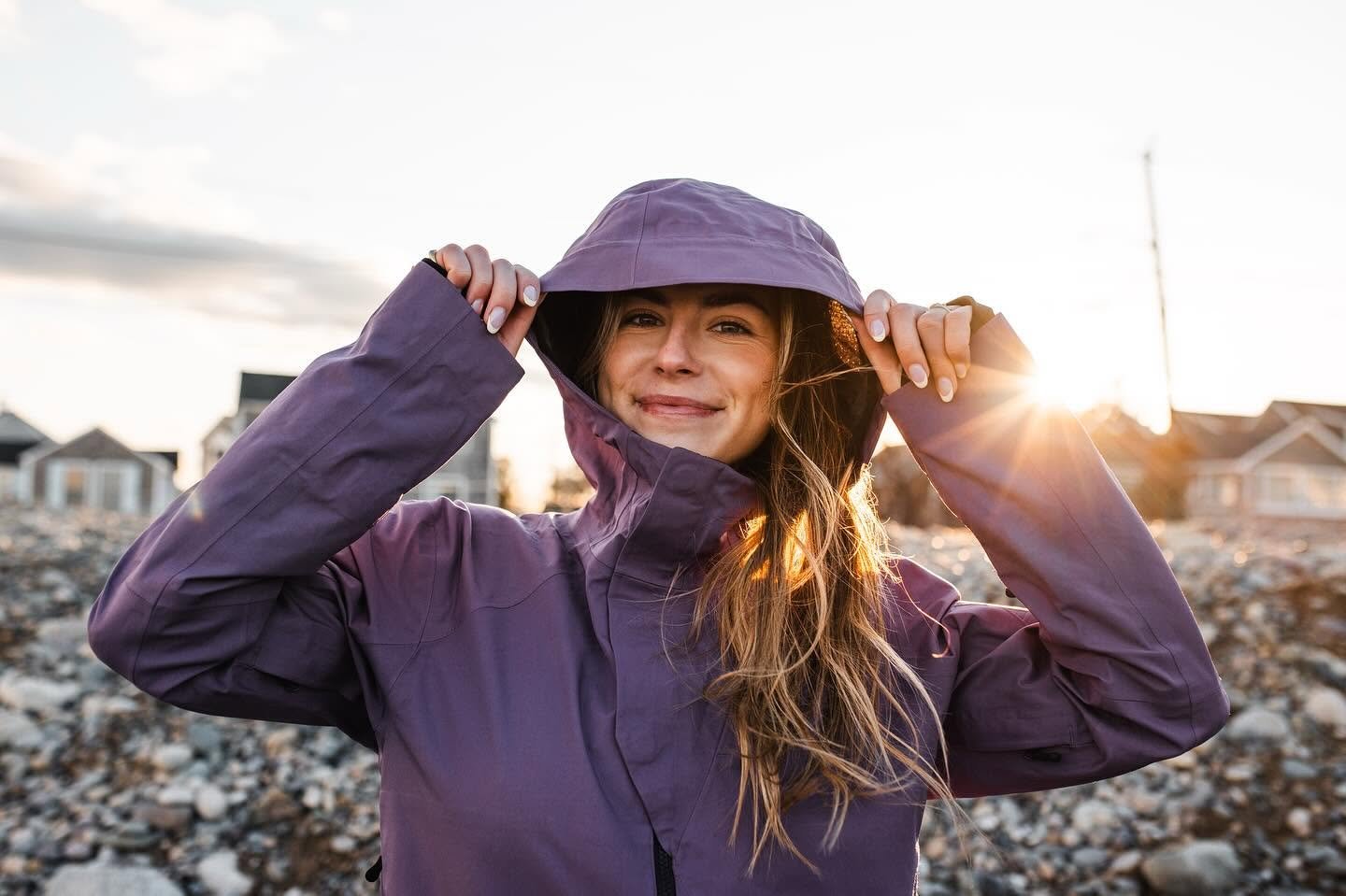
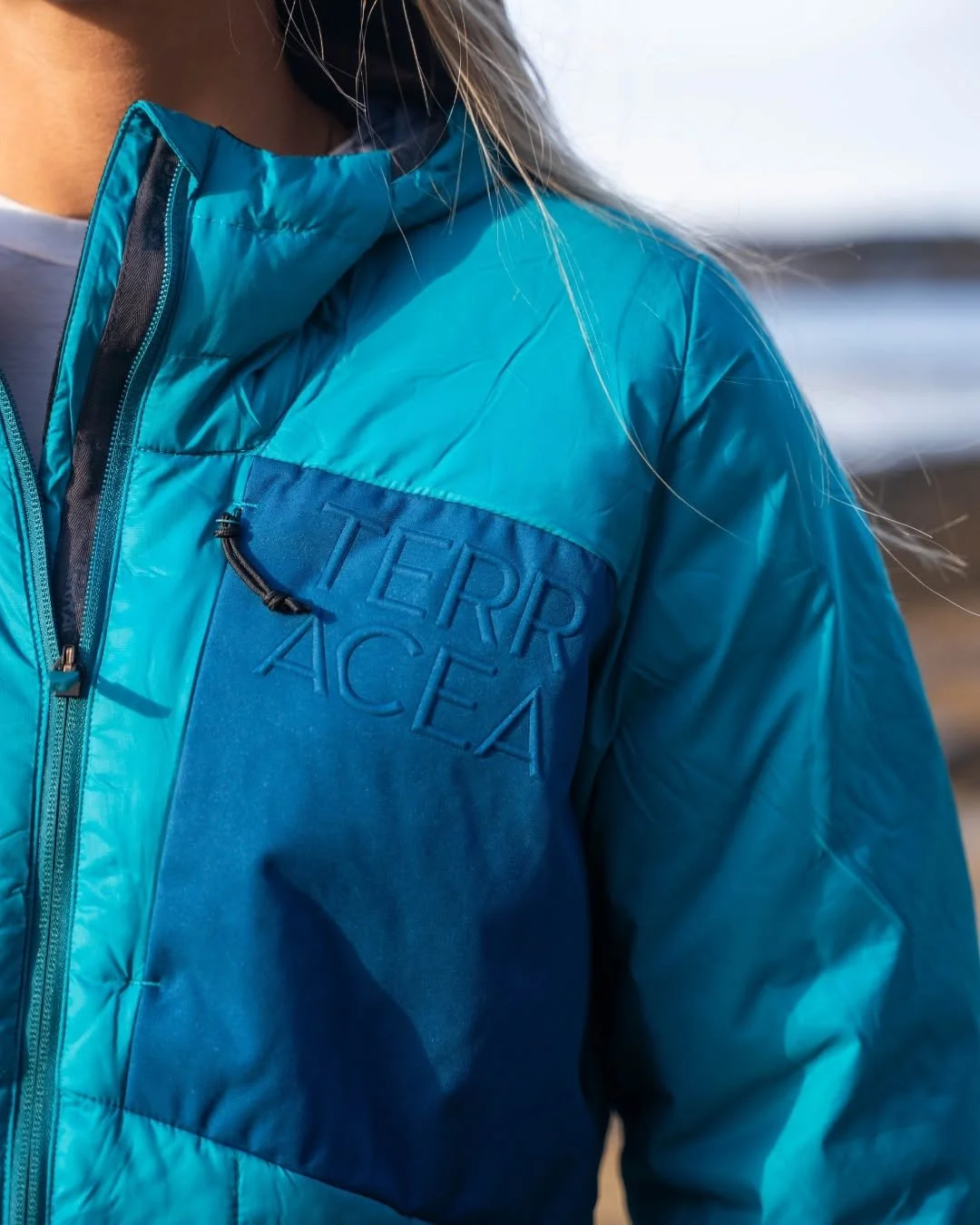
Terracea’s founder and CEO Eric Hui has built the Somersworth-based apparel company around a straightforward premise: outdoor clothing should perform in New England weather and last for years. Manufacturing technical outerwear since 2017, Terracea has received numerous industry accolades, including Ski Magazine’s 2025 Best Overall Ski Jacket.
Hui is refreshingly honest about his company’s goals and challenges associated with becoming more sustainable. Andrew Schuyler, GOA’s sustainability strategist, spoke with Hui to take a closer look at Terracea’s journey to reduce–and enhance–its impact.
Schuyler: Eric, thanks for your time and your involvement with the Granite Outdoor Alliance. Before we dive into your sustainability efforts, could you give us a brief background of Terracea?
Hui: Hey Andrew, thanks for the interview! Terracea was my passion that I started in 2017. Being from Hawaii and then moving to the Northeast in 2010 (when 10+ feet of snow fell), I was inspired by technical mountain apparel, especially outerwear made for winter from traditional ski/snowboarding brands, simply for the fact that those pieces worked in the heavy snow conditions I encountered. This was true in non-mountain environments, such as Boston or New York, where waterproof and wind-resistant fabrics, cinchable hoods, and even two-way zippers were important.
The marketplace gap I saw was that most pieces from existing brands were meant for mountaineering/skiing/climbing. I created a brand that reflects my focus on designing around the weather and outdoor life, with the goal of maximum comfort and versatility.
Schuyler: What’s the genesis of the name Terracea?
Hui: It translates to Earth + Solution, as a creative take on Terra (Latin) + Panacea (Greek). We are creating innovative solutions for the outdoors on earth and specifically for weather...something you can't control.
Schuyler: You and I attended the New Hampshire Businesses for Social Responsibility’s spring conference. I’m curious about your takeaways. (My NHBSR conference wrap-up is here.)
Hui: I really enjoyed the NHBSR conference! Terracea is a small business–but looking to grow over the next few years–so I was interested in learning how I could set up the foundational pillars of social and environmental responsibility. The operational sustainability seminar was very interesting, and I realized if the process from the start is focused aroundsustainable efforts, it’ll be easier for anyone new to embrace. Environmental sustainability has always been a point for Terracea, but learning about additional climate risks was eye opening, along with the philosophy of treating every job as a climate job.
Schuyler: Agreed, the NHBSR conference offered plenty to consider. As you know, durability is a key component to sustainability. Describe why longevity matters and how that factors into product development.
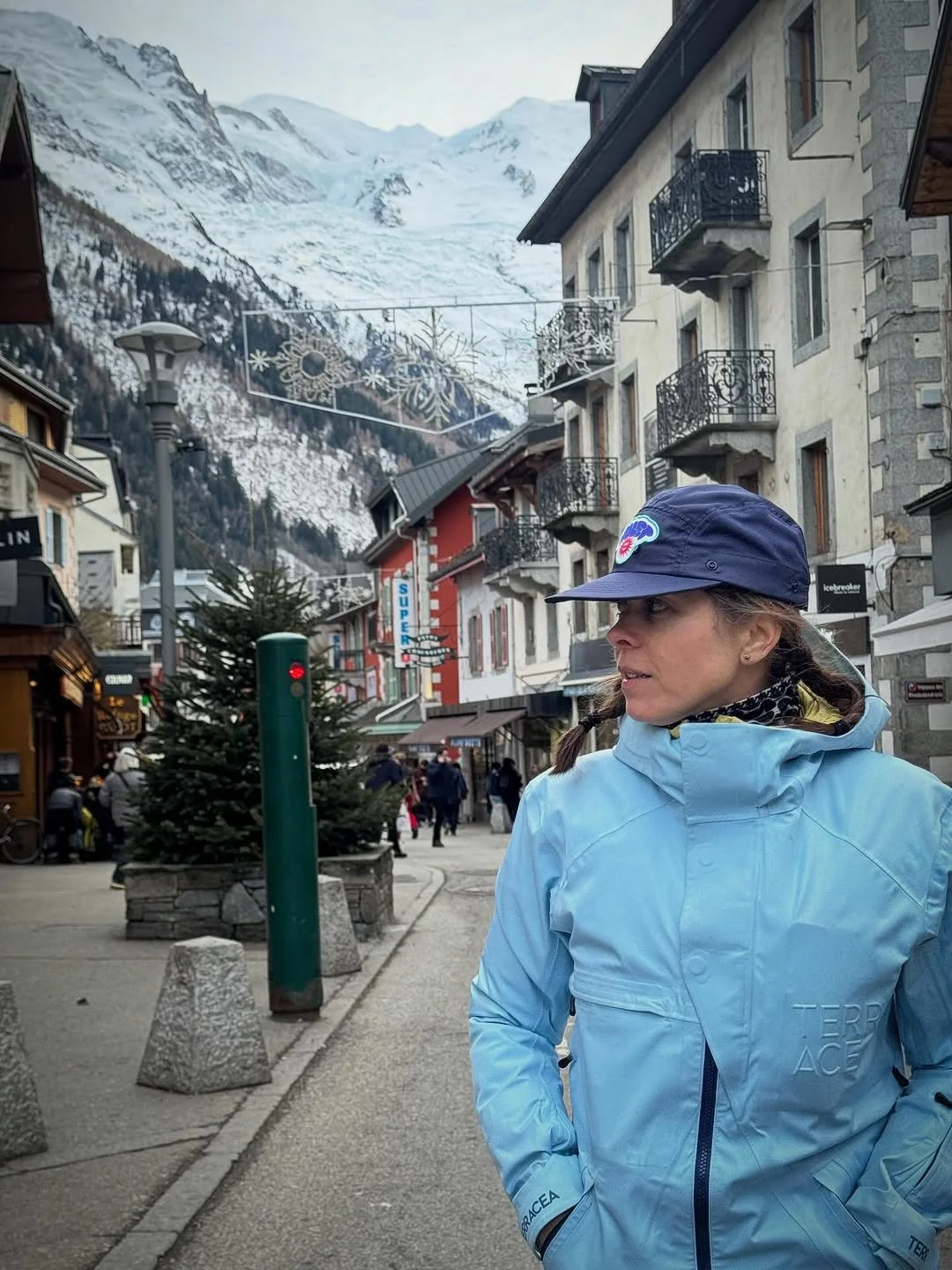
Hui: At our core, the development team at Terracea creates products that are well made and last many seasons. We do extensive research into fabrics and materials and select only from quality material providers. Our main factory partner, which produces most of our line, also has quarterly quality control cycles where our team will check in to ensure consistency. Durability is becoming one of our core pillars, and many customers tell us they choose Terracea due to our reputation for lasting quality. We’d like to avoid our garments from being discarded and we work to make sure that any reasonable damage to our products is fixed. We have a network of repair partners across the U.S should any parts fail.
Schuyler: Terracea sources materials from a variety of companies. One of those, Primaloft, has a tagline of being “Relentlessly Responsible.” Why does Terracea work with Primaloft and what have you taken from that relationship?
Hui: We’ve worked with Primaloft as our main performance insulation partner since 2019, and continue to do so with the launch of our new packable insulated vest. Primaloft’s focus on sustainability was a big reason, beyond their reputation as being the best in the business for high warmth/weight ratio and technological innovation in packability and compressibility. With the majority of the line made of 80-100% recycled material (something we’ve always had in our performance insulation), it aligns with our philosophy of being eco-conscious while balancing the need for our performance material to hold up in all conditions. Their team also is extremely knowledgeable about the science behind performance insulation, and I’ve learned a lot about what Primaloft products make the most sense for Terracea.
Schuyler: Terracea supports 1% For The Planet and One Warm Coat. For other NH companies interested in engaging with similar organizations, what's your experience been like?
Hui: We felt strongly about giving back since our business leaves a carbon footprint, even if it’s small compared to larger companies. Joining 1% FTP was a way of showing that we support organizations aligned with offsetting pollution and emissions. We’ve also networked with other 1% FTP members and it’s been helpful to learn about other like-minded companies. We strive to keep doing this as a foundational pillar, especially given our reliance on working with quality manufacturing partners overseas that do best-in-class work in producing our technical garments.
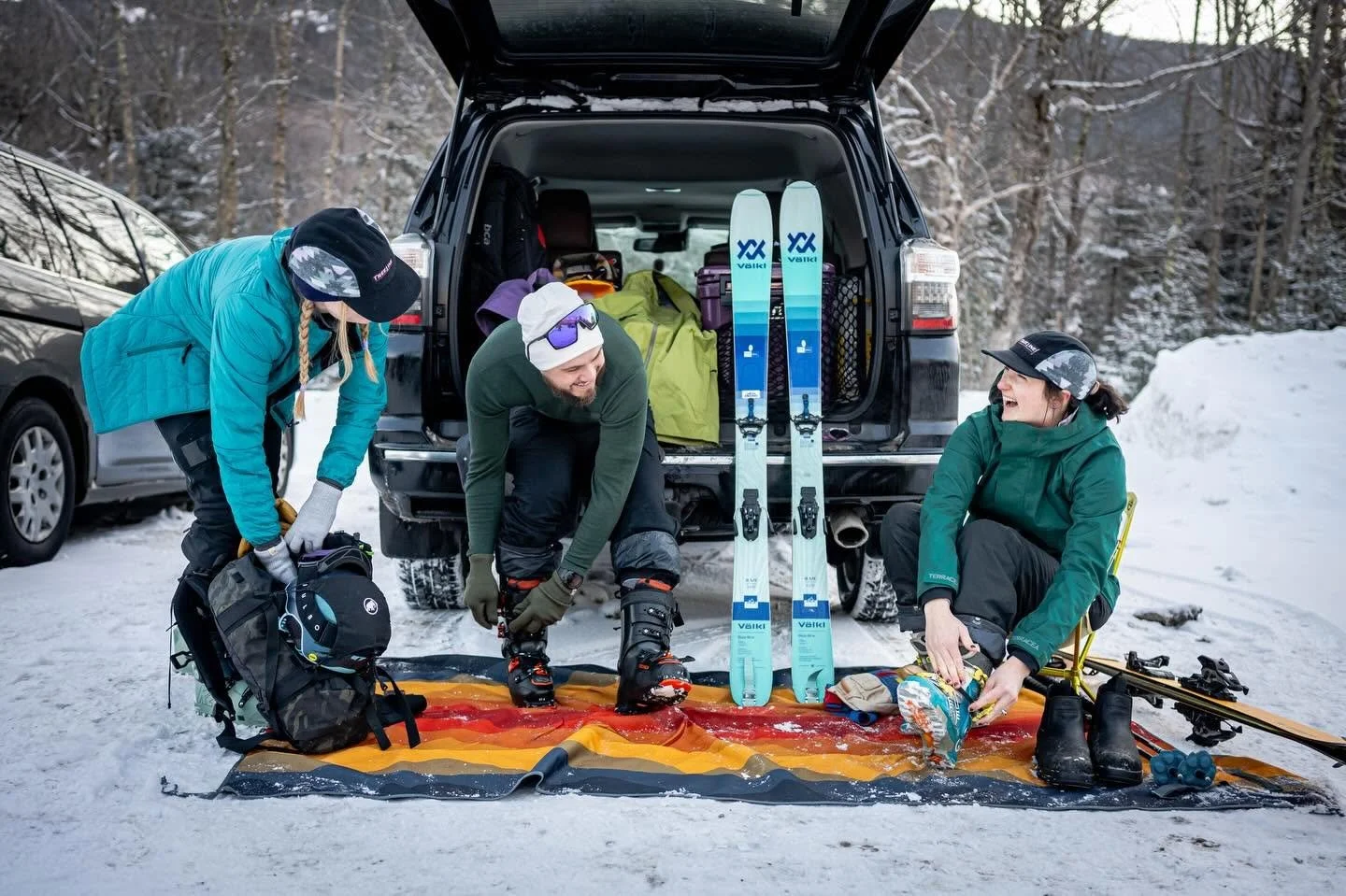
I met the One Warm Coat team at Outdoor Retailer in 2016, before Terracea was officially formed. Part of my mission was to prevent people, especially families with children, from being cold in the winter, something I observed in Boston. Working with OWC to donate leftover products was a way of giving back to a cause I felt strongly about. Our main partner through OWC is Granite United Way.
Schuyler: Eric, I appreciate your thoughts and the work your team is doing. Wrapping up, as an active member of Granite Outdoor Alliance, how should New Hampshire outdoor businesses think about sustainability beyond their individual products and operations?
Hui: I really feel that the outdoors of New Hampshire need to be preserved for ourselves and the next generation. From a sustainability perspective, there’s a lot of discussion about preserving trails and other recreation areas from development. It’s also supporting the outdoor recreation economy through affordable housing. As a GOA member, knowing that our opinions are being relayed to the state government is very positive. I’m looking forward to seeing how these changes will be implemented over the next 3-5 years.
All photos courtesy of Terracea

ABOUT THE AUTHOR
Andrew Schuyler is the sustainability strategist at the Granite Outdoor Alliance and serves on the board of the White Mountains Interpretive Association. His experiences in the Massachusetts Senate, renewable energy, communications, and parenthood inform his belief that finding commonalities and listening attentively will never go out of style. Andrew studied journalism in the early ’90s for his undergrad and sustainability for his master’s degree.